Wedding photography has fragmented into dozens of overlapping styles over the past decade, accelerated by Instagram and the democratisation of editing tools. The result is a landscape that's richer and more varied than ever — but also genuinely confusing for couples trying to understand the difference between "moody editorial" and "dark and romantic" and "cinematic fine art."
This guide cuts through that. Here are the 12 styles you'll encounter, what they actually look like, and which personality types they typically appeal to.
1. Documentary / Photojournalistic
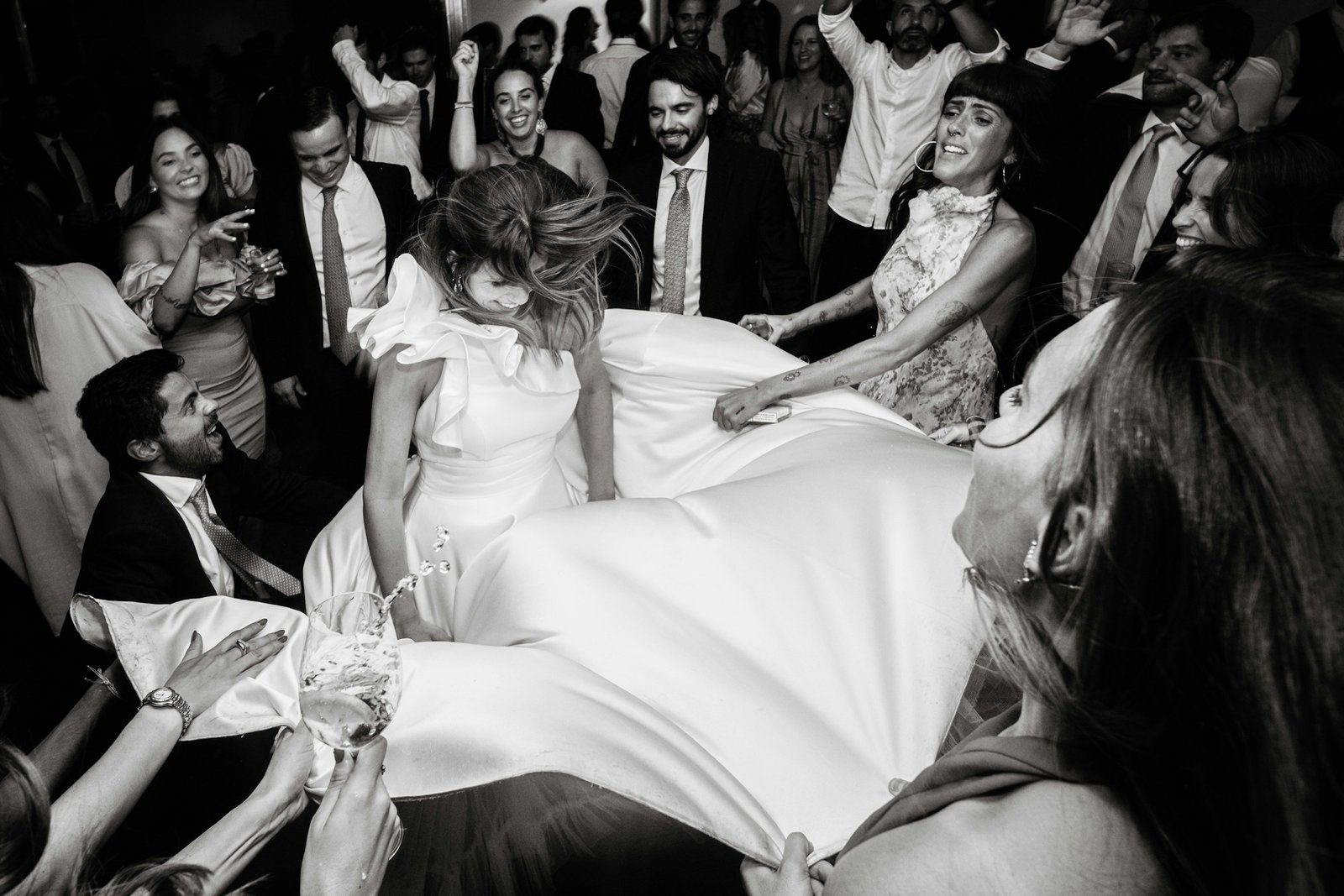
What it is: The photographer observes and captures without directing. They work like a journalist — anticipating moments rather than creating them. Almost no posing. Minimal intervention.
What it looks like: Candid laughter, stolen glances, crying parents, children chasing each other across the dance floor. Authentic, imperfect, alive.
Best for: Couples who hate being the centre of attention, who want to look back at what actually happened rather than a curated version of it.
2. Reportage
What it is: Closely related to documentary, but with a stronger emphasis on narrative structure. Reportage photographers think in sequences — they're building a story, not just collecting moments.
What it looks like: Images that feel like they belong together. A coherent, visual narrative from morning preparation to last dance.
Best for: Couples who want their wedding album to feel like a book they could read from beginning to end.
3. Editorial / Fashion-Influenced
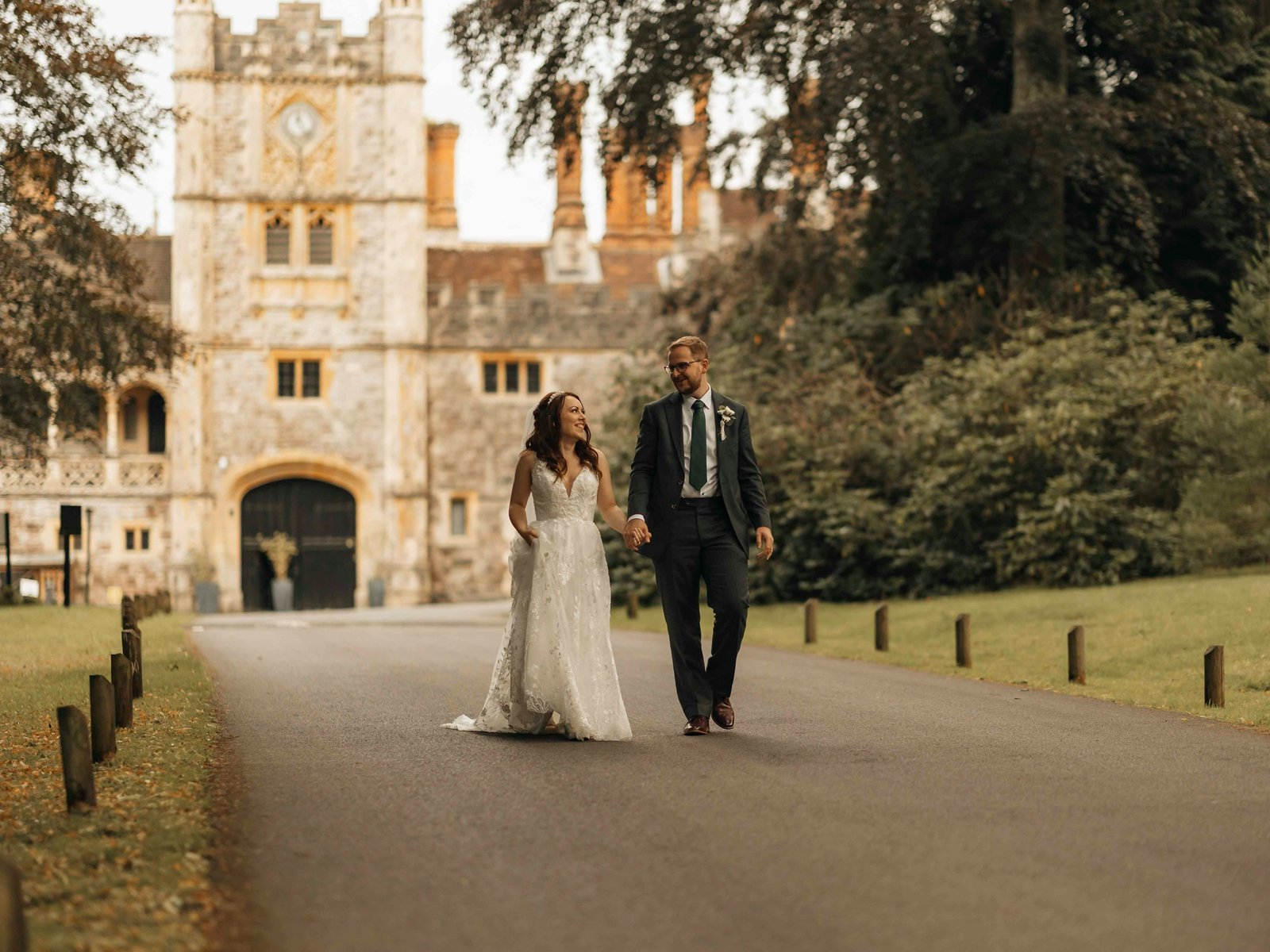
What it is: The photographer directs with a confident hand, placing the couple in positions and locations that maximise visual impact. Inspired by fashion photography — strong compositions, deliberate light, high aesthetic intent.
What it looks like: Powerful portraits, dramatic backdrops, intentional styling. Images that look like they belong in a magazine.
Best for: Couples who want their photographs to look extraordinary — who are willing to give up a little spontaneity for a lot of visual impact.
"The best wedding photographers blend styles. Documentary eyes, editorial instincts, and the sensitivity to know which to deploy at any given moment."
4. Fine Art
What it is: Photography treated as an artistic medium first and a documentation service second. Strong aesthetic vision, often with painterly qualities, unusual compositions, or a highly distinctive colour palette.
What it looks like: Images that feel timeless and slightly otherworldly. Often light, airy and ethereal — or dark, rich and dramatic, depending on the photographer's voice.
Best for: Couples who want their wedding photographs to feel like art objects they'd frame and live with.
5. Cinematic
What it is: Heavily influenced by film and cinema. Wide-angle compositions, dramatic lighting, colour grading that references specific films or visual aesthetics. Often blends documentary and editorial approaches.
What it looks like: Images that feel like film stills. Deep contrast, rich shadows, intentional colour.
Best for: Couples who love film, care deeply about mood and atmosphere, and want images that feel epic rather than pretty.
This is the approach we take at Knight Visuals. Our work is cinematic and noir-editorial — documentary at heart, cinematic in execution.
6. Film / Analogue
What it is: Shot on actual 35mm or medium format film, rather than digital. The grain, colour rendering and tonal range of film is genuinely different from digital — warmer, softer, more organic.
What it looks like: Slightly faded highlights, organic grain, warm skin tones. Has a nostalgic, timeless quality that digital struggles to replicate authentically.
Best for: Couples who want their photos to look like they were taken in another era. Be aware that film photographers typically deliver fewer images and charge a premium for film costs.
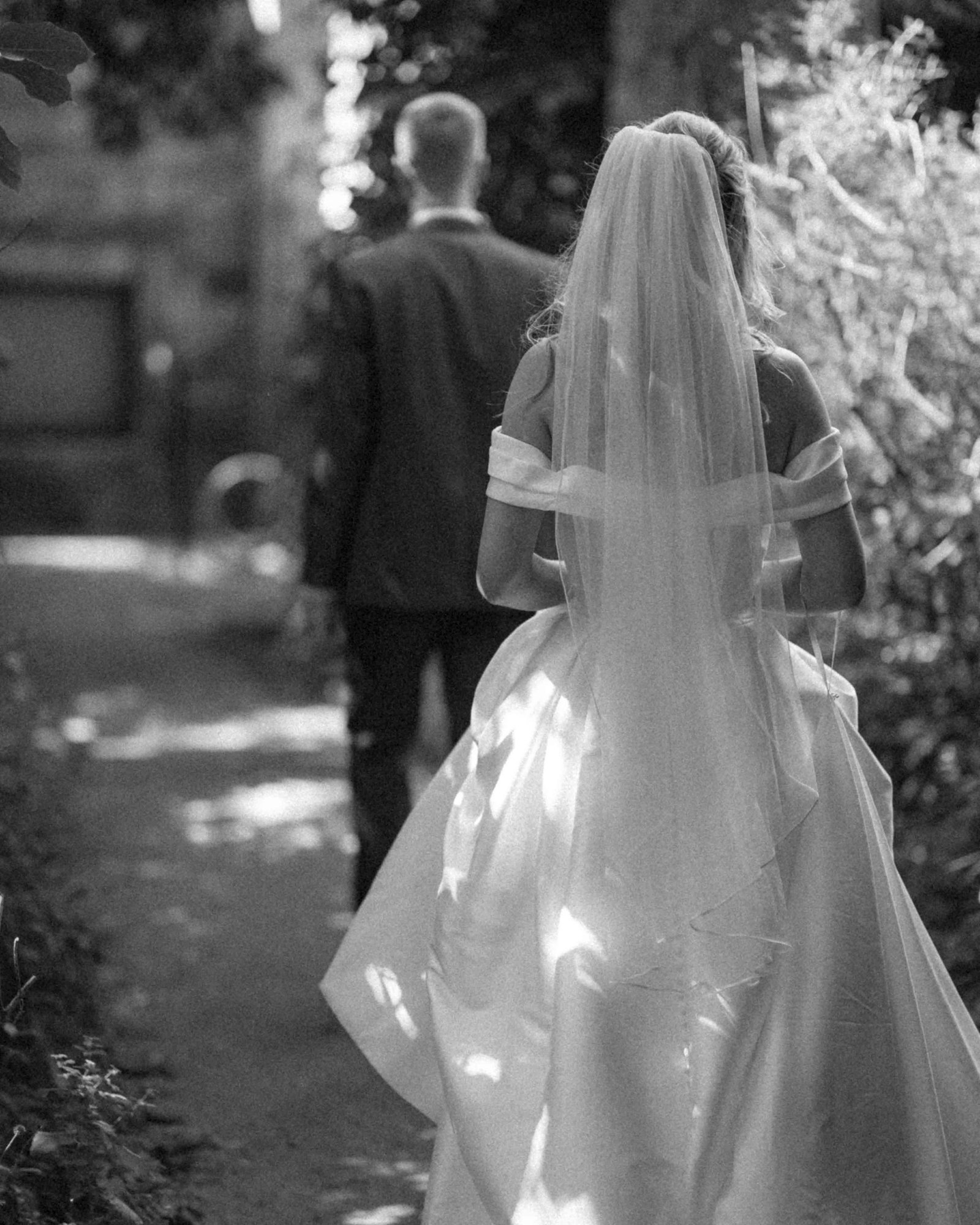
7. Light and Airy
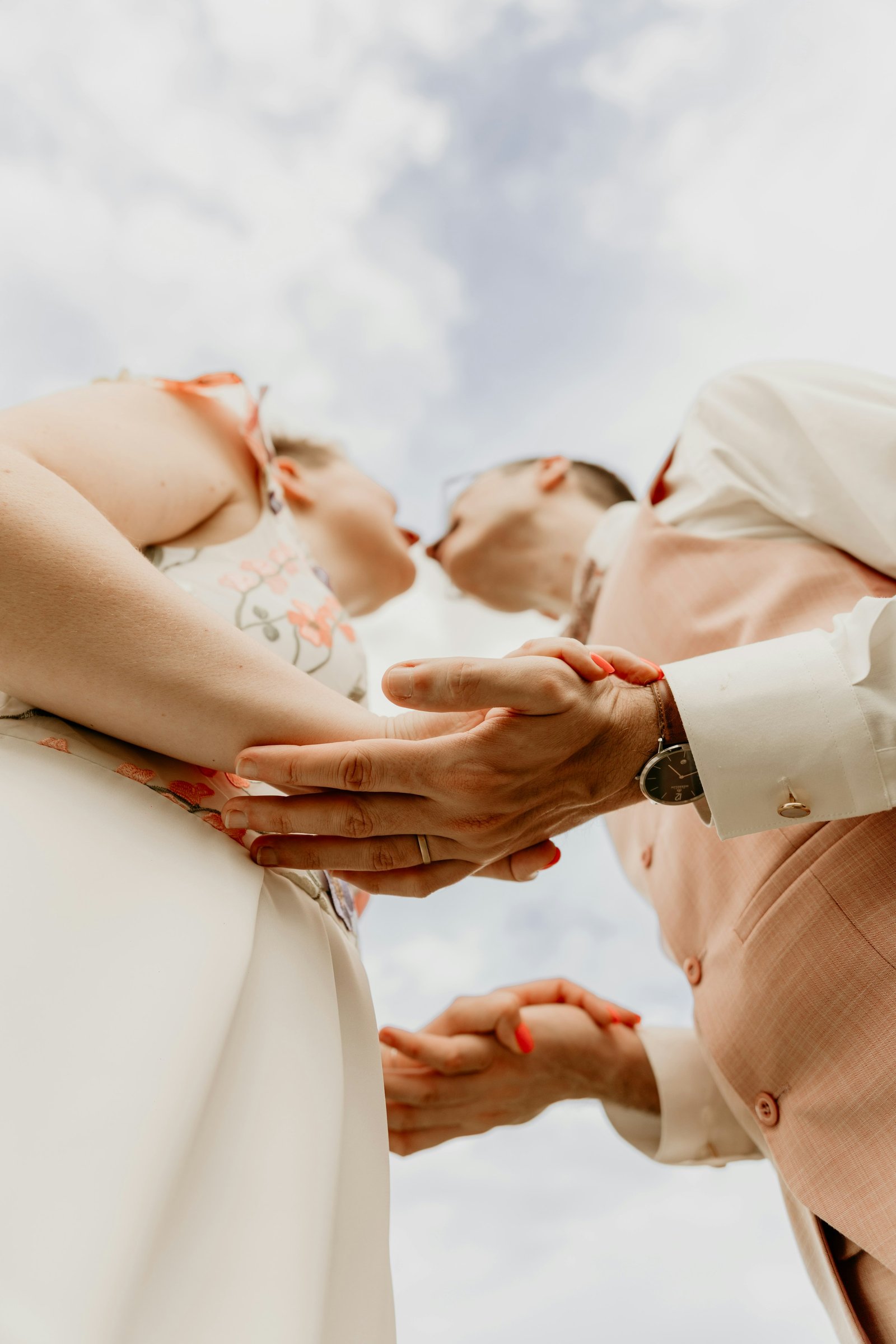
What it is: Bright, high-key editing with lifted shadows, soft contrast and warm-to-neutral tones. Extremely popular in the mid-2010s and still widely practised.
What it looks like: Clean, bright, pastel-toned. Flattering skin tones. Consistent and approachable.
Best for: Couples who want classic, timeless images without dramatic processing. Works particularly well with outdoor summer weddings and light, neutral colour palettes.
8. Dark and Moody
What it is: The tonal opposite of light and airy. Deep shadows, crushed blacks, rich contrast, often desaturated with selective colour emphasis.
What it looks like: Dramatic, atmospheric, powerful. Strong emotional weight. Can veer into brooding or gothic depending on the photographer.
Best for: Couples with a darker, more dramatic aesthetic. Evening and indoor events. Autumn and winter weddings particularly suit this approach.
9. Classic / Traditional
What it is: The oldest school — posed portraits, formal group photographs, predictable compositions. Technically correct, emotionally safe.
What it looks like: Everyone looking at the camera, standing in neat rows. Posed couple portraits in obvious locations.
Best for: Families with strong expectations about what wedding photography should look like. Pairs well with a second photographer who documents candidly.
10. Lifestyle
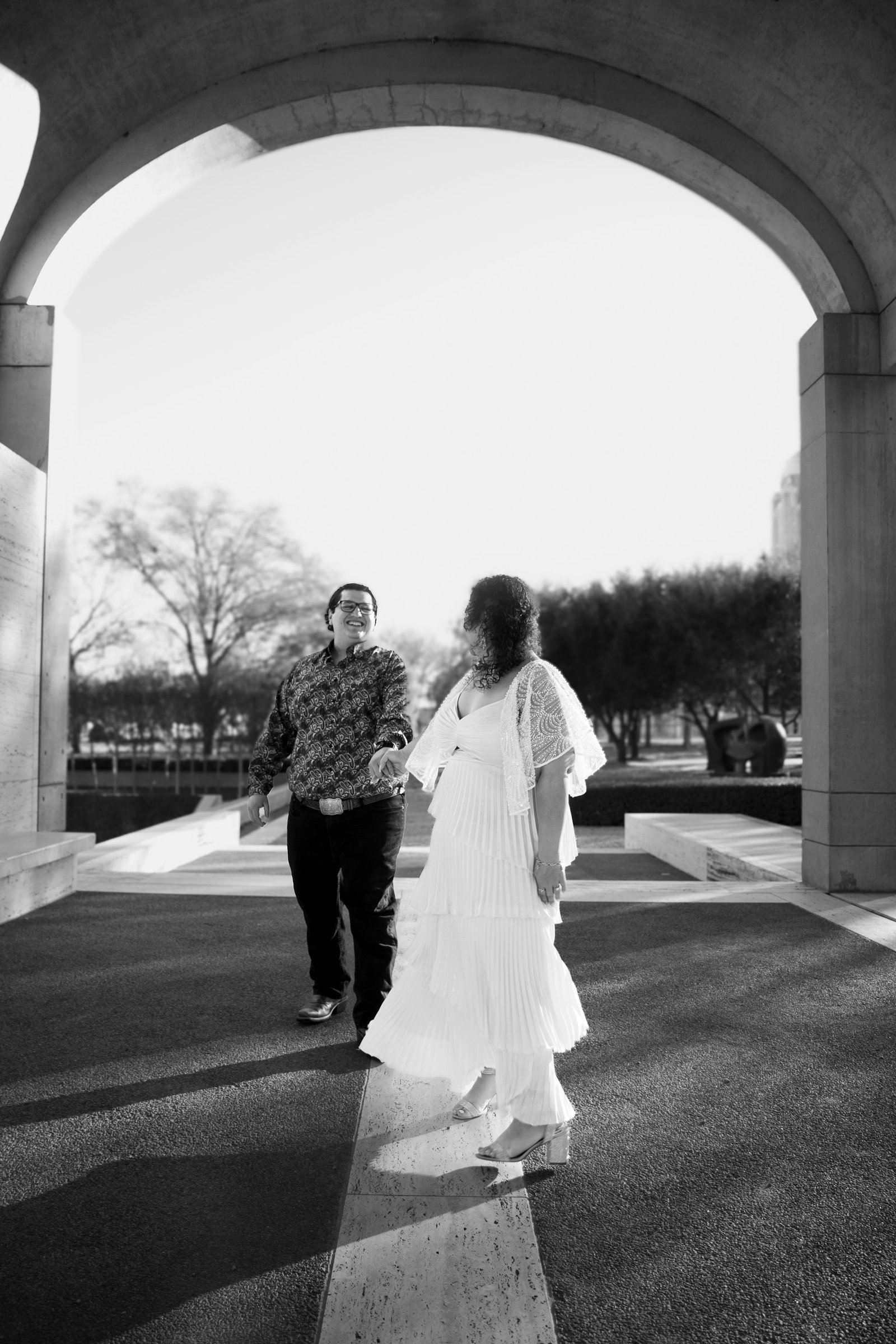
What it is: A middle ground between documentary and editorial. The photographer gives gentle direction ("walk towards me," "sit here together") but doesn't impose rigid poses. Feels natural but is lightly choreographed.
What it looks like: Natural, relaxed, but consistently flattering. More polished than pure documentary but less constructed than editorial.
Best for: Couples who want to look good in their photos but don't want to feel like they're on a photoshoot.
11. Photojournalism + Portraits
What it is: The hybrid most working photographers actually practice. Documentary coverage of the day's events, with dedicated time set aside for directed portraits. The best of both worlds.
What it looks like: Natural moments throughout the day, punctuated by beautiful, directed portrait sessions.
Best for: Most couples. If you're not sure what you want, this is probably it.
12. Destination and Adventure
What it is: Less a visual style, more a philosophy — the willingness to travel anywhere and photograph in extraordinary locations, often with a physical or adventurous element (hiking, swimming, cliff edges).
What it looks like: Epic landscapes, intimate moments in extraordinary places. Often cinematic or editorial in aesthetic.
Best for: Couples with a spirit of adventure who want their location to be as much a character in the images as they are.
- Save 20–30 wedding images from Instagram, Pinterest or photographer websites that genuinely move you
- Look at what they have in common — are they bright or dark? Posed or candid? Close or wide?
- Show your partner — do you agree? Compromise is fine. Indifference isn't.
- Take that mood board to your photographer consultations
At Knight Visuals, we work in a cinematic documentary style — observational, story-led, and lit with intent. We direct when it serves the image and disappear when the moment speaks for itself. If that resonates with you, our wedding packages are here.