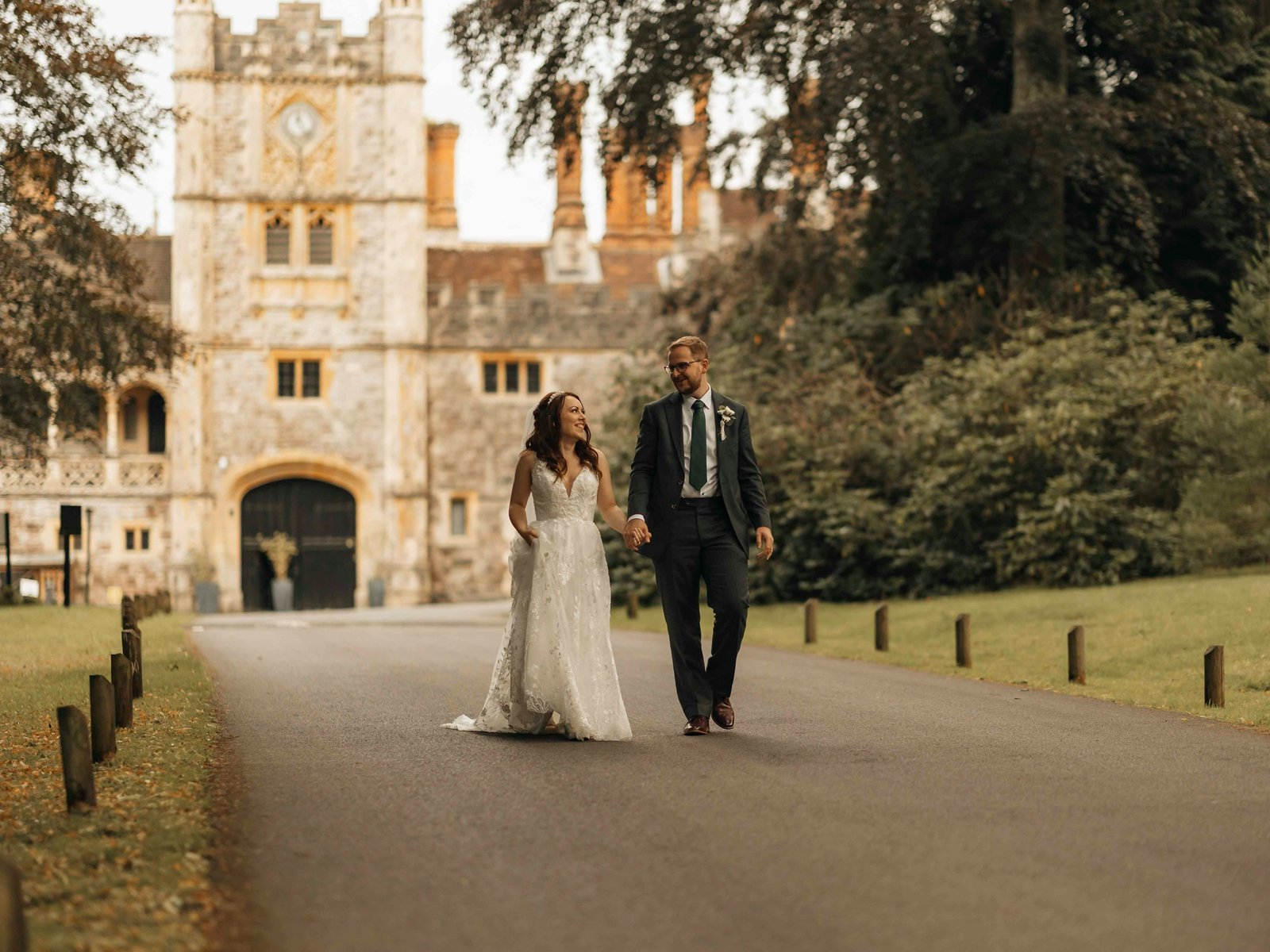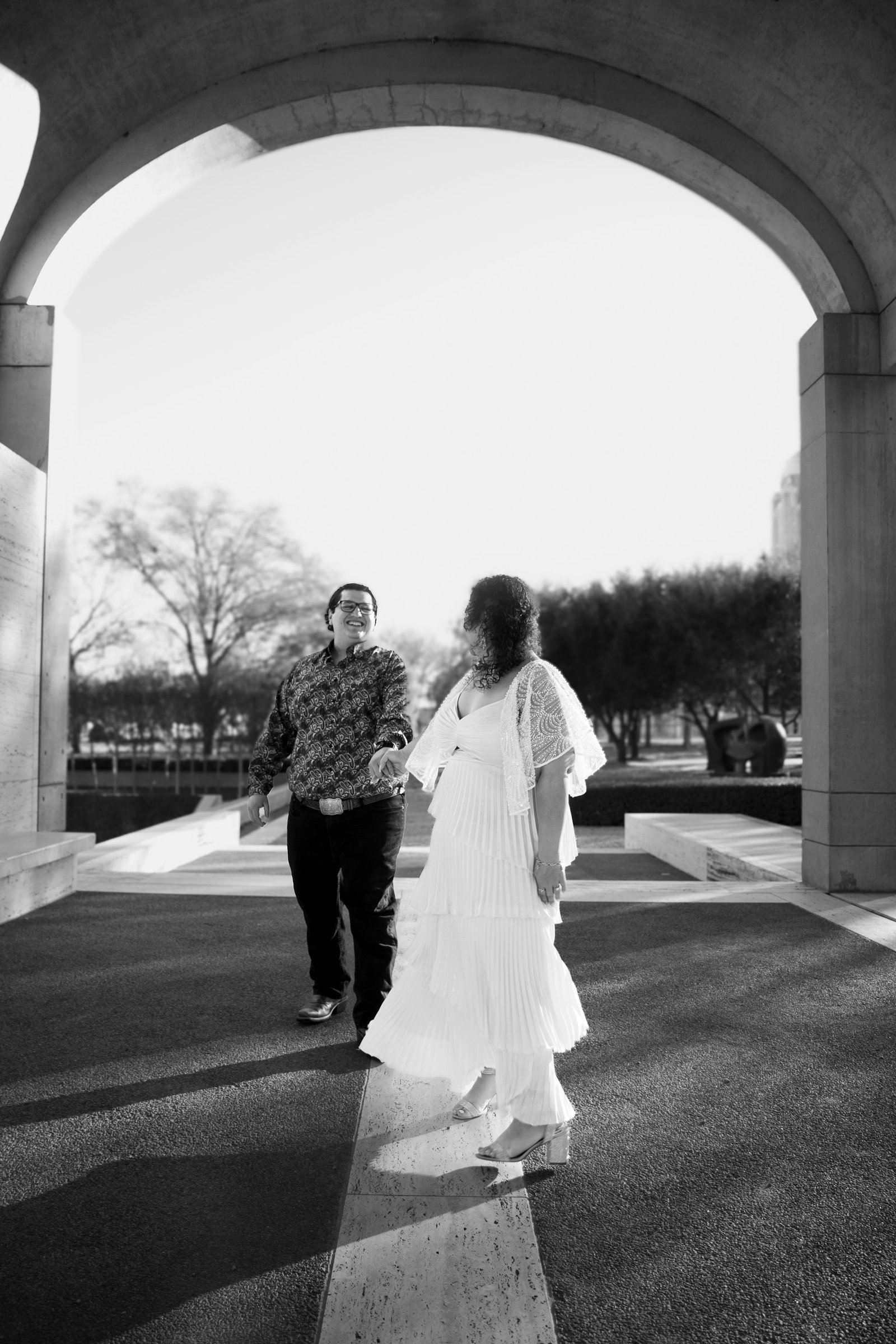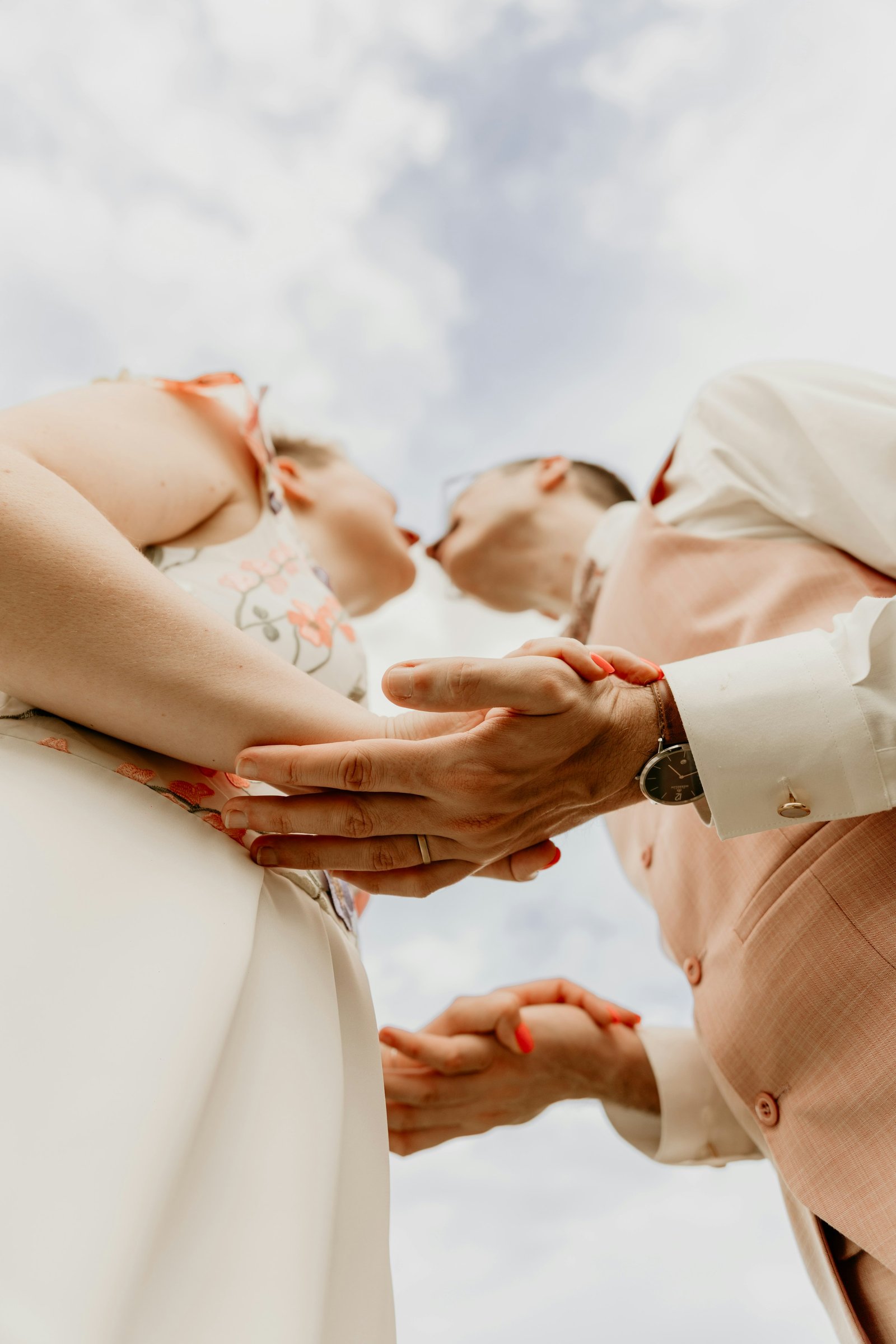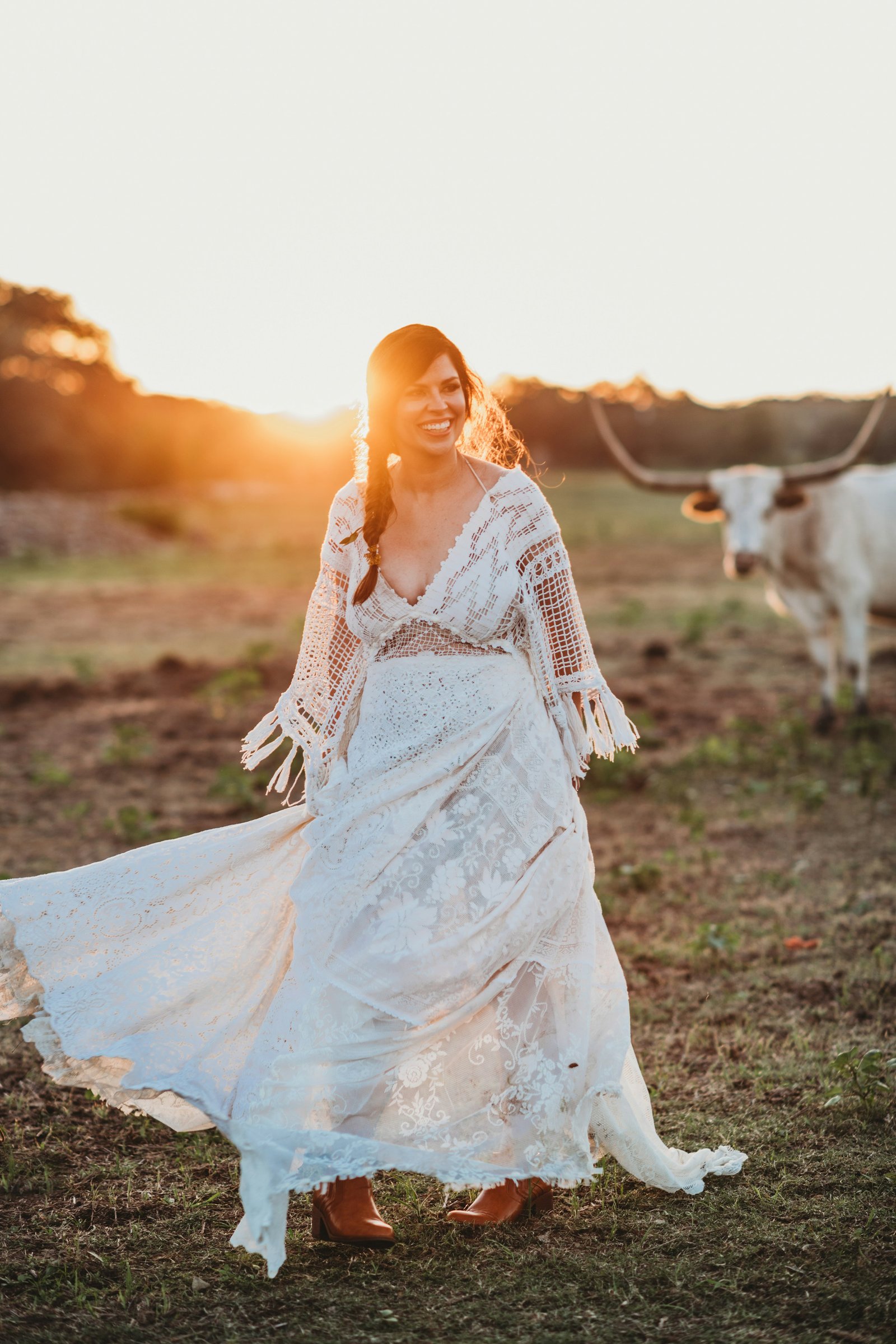
Light is the single most important variable in photography. Not the camera. Not the lens. Not even the location. The same couple, in the same venue, photographed in harsh midday sun and then again in golden hour light, will produce images so different they barely look like they were taken on the same day. Understanding how light changes across your wedding day — and building your timeline around it — is one of the most impactful things you can do.
What Exactly Is Golden Hour?
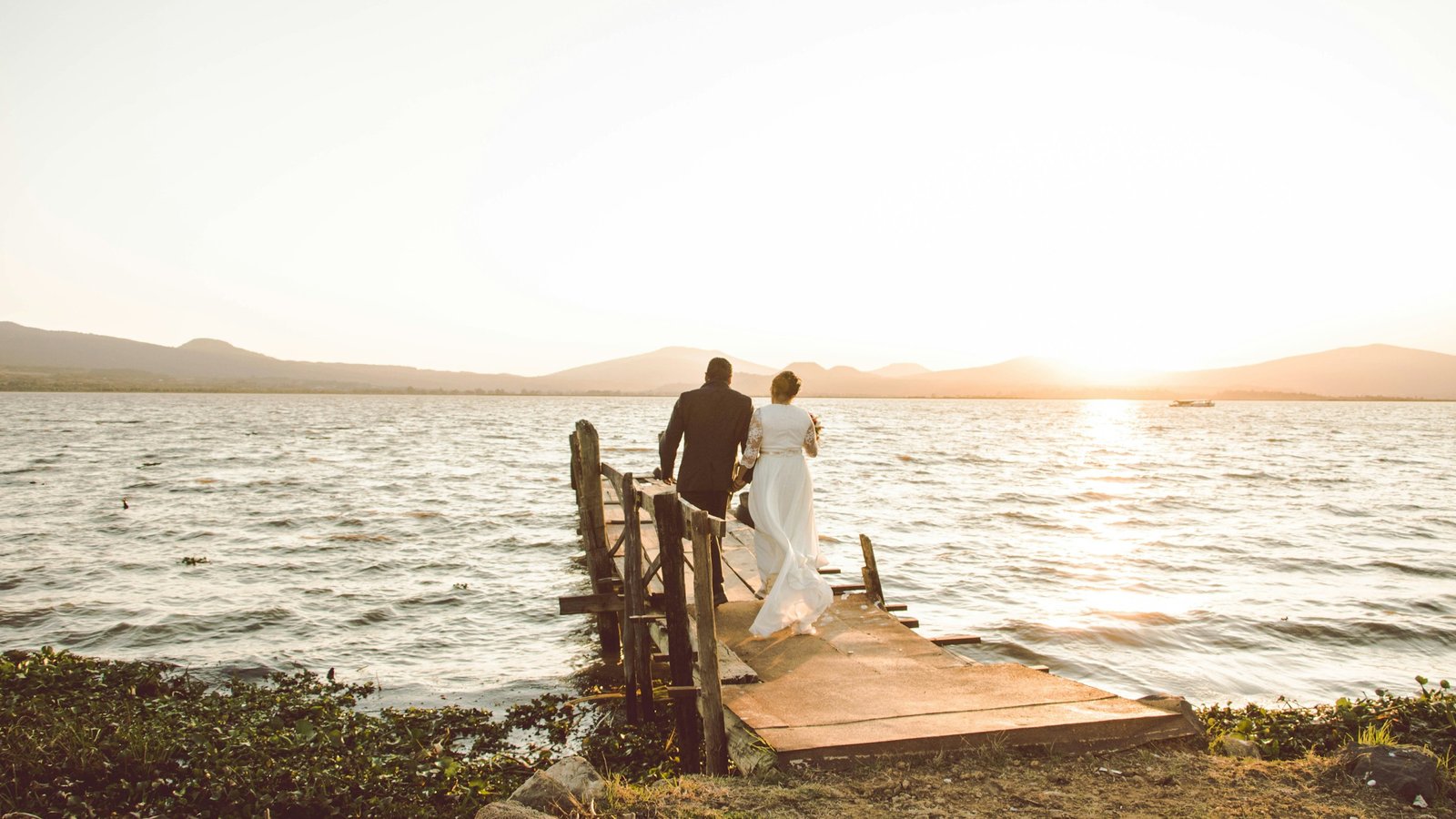
Golden hour (sometimes called the magic hour) refers to the period shortly after sunrise or, more relevantly for weddings, the period before sunset. During this window, the sun is low on the horizon, which means light travels through more of the atmosphere before it reaches your subject. This scatters the harsh blue wavelengths and leaves behind warm, amber, golden tones. The light becomes soft, diffuse, and deeply flattering — it wraps around faces rather than creating harsh shadows.
The exact timing varies dramatically by season in the UK. In December, golden hour may begin as early as 3pm. In June, it won't arrive until after 8:30pm. This has huge implications for how you structure your wedding day.
"In the UK, a June wedding with a 4pm ceremony gives you golden hour portraits at 9pm. Plan for it and those portraits will be the best images of your entire day."
How to Build Your Wedding Timeline Around the Light
We always discuss this with our couples during the pre-wedding consultation. Here's how we approach it:
- Summer weddings (May–August): Sunset is late — often 9–10pm. This is a gift. It means you can have a relaxed afternoon, enjoy your reception, and still step outside for 20–30 minutes of golden hour portraits before the evening gets dark.
- Autumn weddings (September–November): Sunset comes earlier but the light quality is extraordinary — deeper, moodier, with longer shadows and richer tones. Aim to build your couples portraits into the late afternoon, 3:30–5pm.
- Winter weddings (November–February): Sunrise and sunset can both fall within your reception window. Embrace it. Winter golden hour lasts longer and has an unmatched quality — soft, low, and cinematic. Plan portraits around 3–4pm.
- Spring weddings (March–April): Light quality is excellent and improving. Schedule portraits for the hour before sunset, typically 6–7pm by late April.
Natural Light Throughout the Rest of Your Day
Golden hour is the headline act, but the supporting cast matters too. Here's how to make the most of natural light at every stage of your wedding day:
Morning Preparation
Getting-ready shots work best in rooms with large north-facing windows — the light is consistent and flattering without harsh directional shadows. If your venue has small windows or faces south, talk to your photographer about positioning. A good photographer will move you around the room to find the best available light rather than accepting whatever the room offers.
The Ceremony
Church ceremonies can be challenging — often dark interiors with bright doorways create extreme contrast. A photographer experienced with low light and flash work will manage this confidently. For outdoor ceremonies, avoid facing your guests directly into the midday sun. Position them facing away from the sun if possible, and use the sun as backlight.
Couples Portraits (During the Day)
If you're shooting portraits during midday (11am–2pm), find shade. Open shade — under a tree, beside a building, under an archway — gives soft, even, beautiful light. Direct midday sun creates unflattering shadows under the eyes and encourages squinting. Your photographer should always scout for shade options at the venue.
- Know your sunset time on your wedding date (use timeanddate.com)
- Build a 20–30 minute window into your timeline before sunset
- Tell your venue coordinator you'll be stepping away for portraits at that time
- Wear comfortable shoes — golden hour portraits often involve walking
- Brief your wedding party so nobody pulls you back inside
- Trust your photographer — the best images are often ones you weren't expecting
Overcast Days: Not the Disaster You Think
British weather being what it is, let's talk about clouds. An overcast day is not a photography disaster. In fact, thick cloud cover acts as a giant natural softbox — the entire sky becomes one enormous diffuse light source that flatters skin beautifully and eliminates harsh shadows. Many photographers privately prefer overcast days for portraits. The colours are richer, skin tones are even, and nobody is squinting.
What to avoid if possible is broken cloud — alternating bright direct sun and shade — which creates inconsistent, patchy light that's harder to work with. But your photographer should know how to read and respond to whatever the day gives you.
Flash and Off-Camera Lighting: When Natural Light Isn't Enough
Certain moments — evening receptions, dark church interiors, night portraits — will require supplemental lighting. Ask your photographer how they approach this. The best photographers use off-camera flash or video lights to complement and enhance the available light, not to replace it. The goal is always to make artificial light feel as natural as possible.
At Knight Visuals, we work with a cinematic approach to light — using it directionally to create depth, mood and drama. Whether it's the first light of morning through a hotel window or the glow of fairy lights at midnight, we're always looking for the moment when light and life coincide. If that sounds like the kind of photography you want, take a look at our wedding packages.