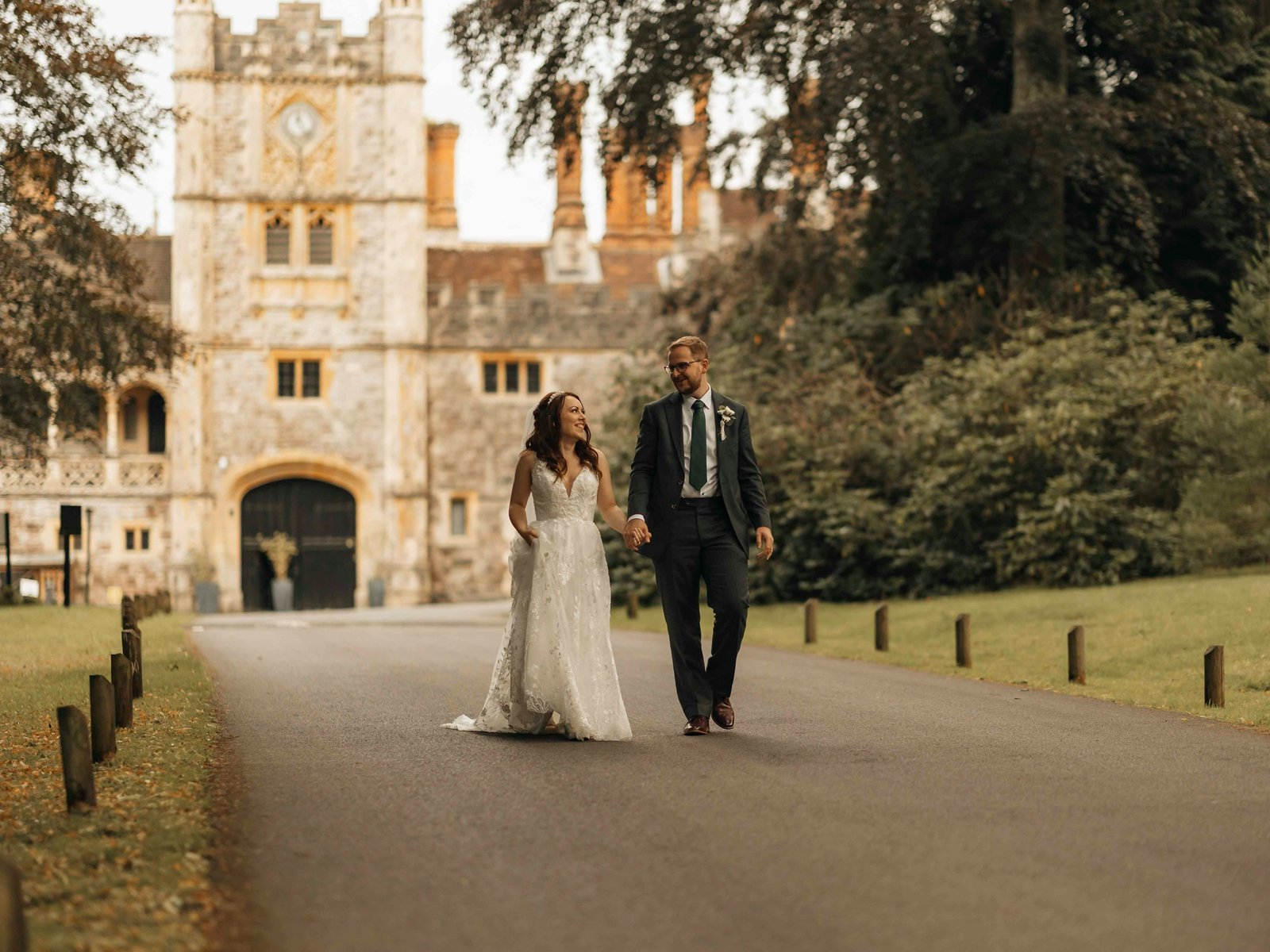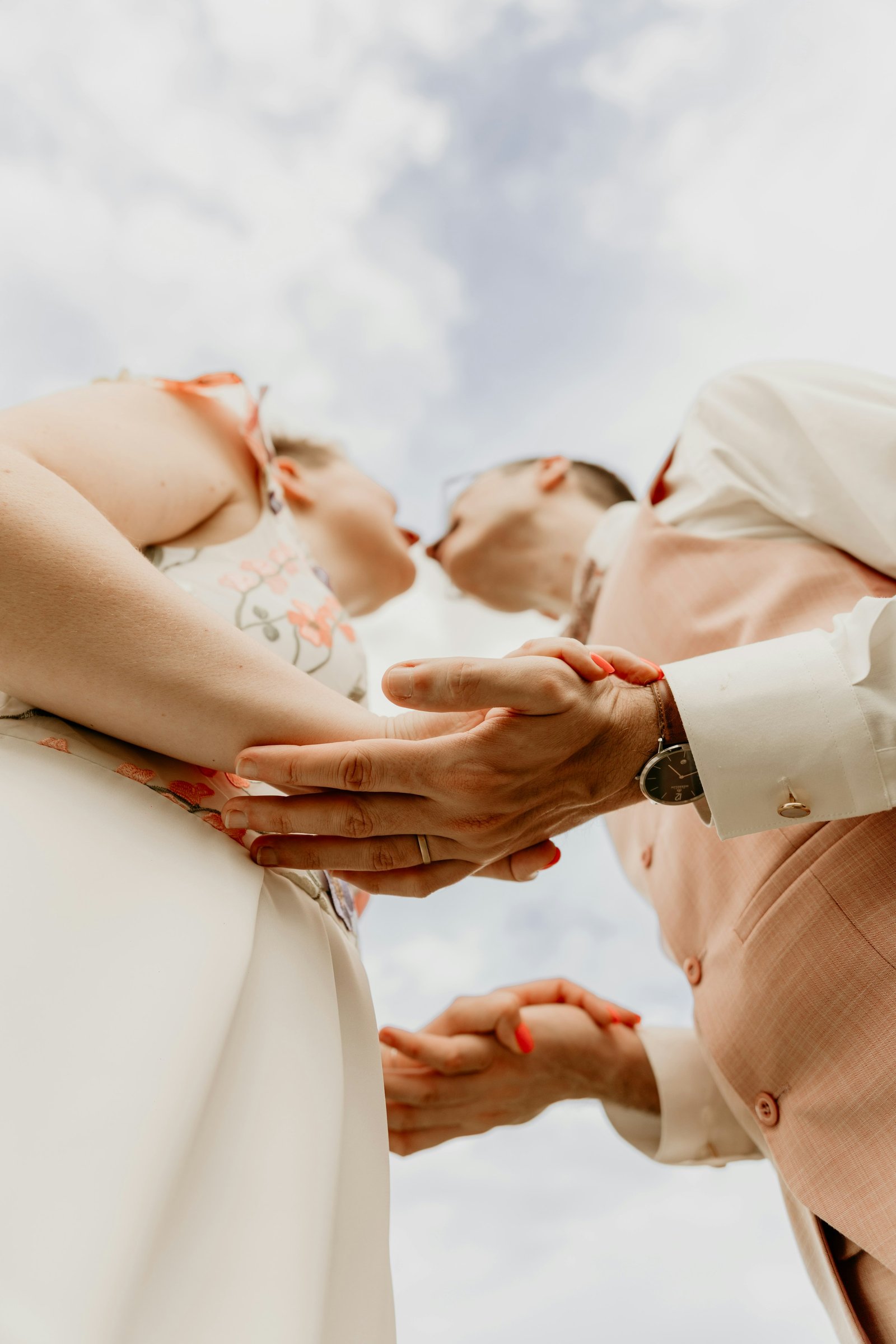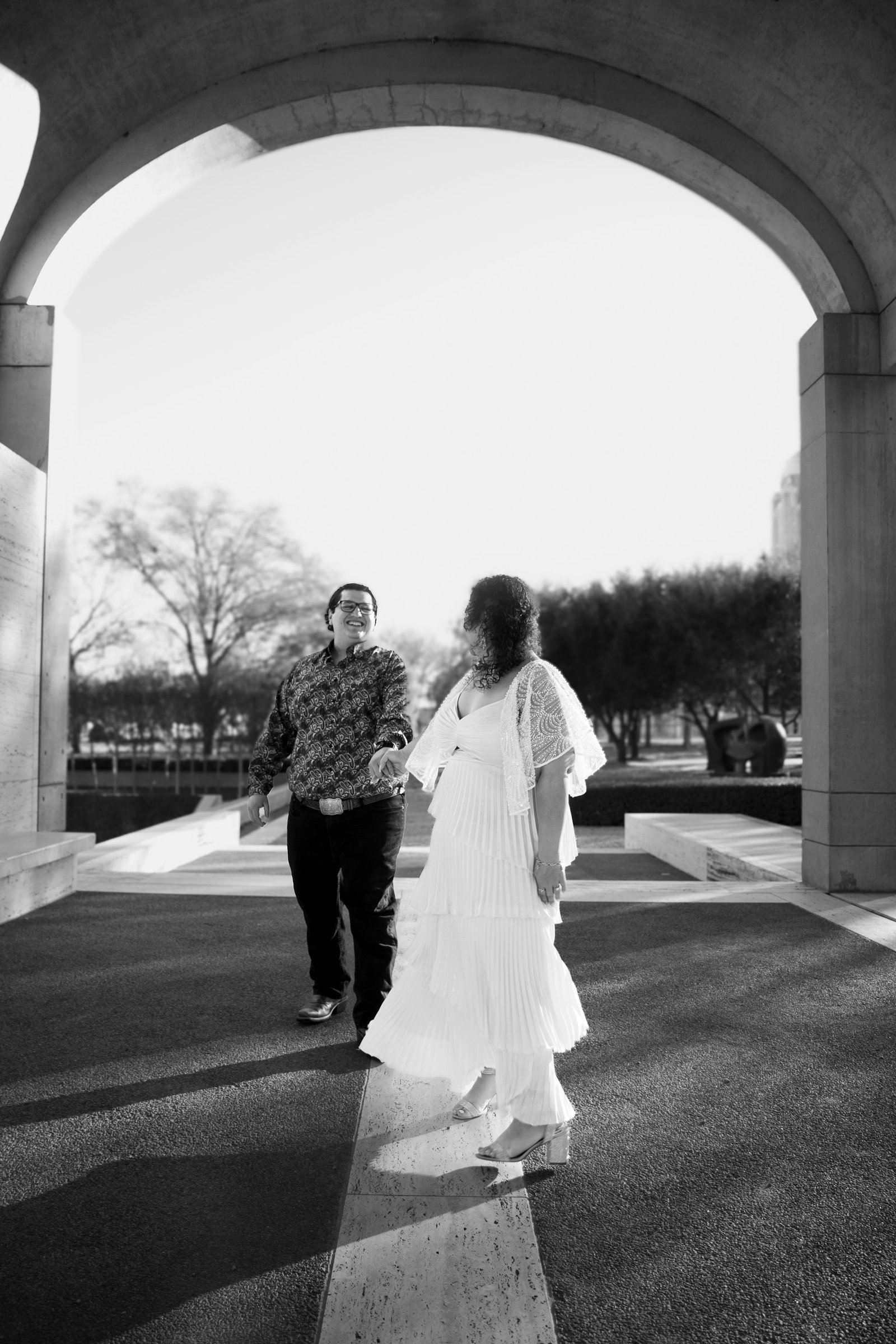
When couples ask whether they should add a pre-wedding or engagement shoot to their package, we always say yes — and not because it means an extra session for us. It's because we've seen, again and again, the difference it makes on the wedding day itself. Couples who've spent an hour with us beforehand move differently in front of the camera. They're more relaxed, more themselves, and the portraits from their wedding day are invariably better for it.
What Is a Pre-Wedding Shoot Actually For?
The primary purpose of a pre-wedding shoot isn't to produce more photographs (though the photos are often stunning). It's to do three things:
- Get comfortable with being photographed. The camera feels less intrusive the second time. By your wedding day, you'll have a sense of how to stand, where to look, and how to interact naturally without feeling like you're being watched.
- Build a relationship with your photographer. On your wedding day, you'll be in an emotionally heightened state. The more familiar you are with your photographer, the more quickly you'll relax into their presence. A pre-wedding shoot turns a professional relationship into something closer to a friendship.
- Test what works. You'll discover which angles flatter you, which instructions feel natural, and what makes you both laugh. Your photographer learns your dynamic as a couple — how you interact, who leads, what feels authentic.
"After a pre-wedding shoot, couples stop looking at the camera. They start looking at each other. That's when the real photographs happen."
Choosing the Right Location
Pre-wedding shoot locations work best when they mean something to you. The park where you had your first date. The neighbourhood where you both grew up. The landscape that draws you back every year. Meaningful locations produce more emotionally resonant images than beautiful-but-generic backdrops.
That said, there are practical considerations:
- Urban locations — streets, architecture, markets — work well for editorial, graphic images with strong geometric compositions.
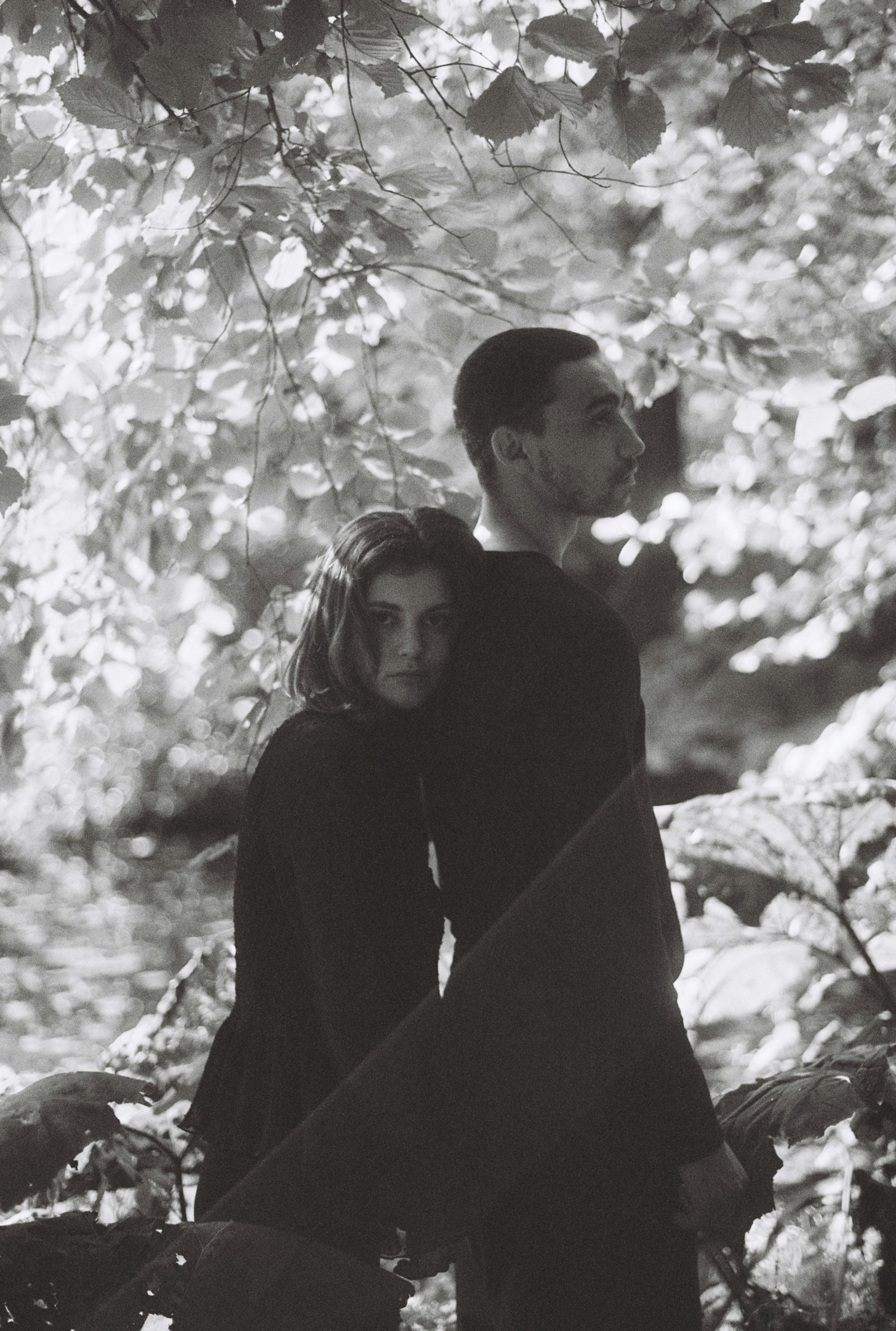
- Countryside and parkland — woodland, fields, moorland — lend themselves to soft, romantic, atmospheric portraits.
- Coastline — cliffs, beaches, harbour towns — produce dramatic, timeless images with a cinematic quality.
- Your home — genuinely one of the best options. Intimate, relaxed, and full of context and character.
In Yorkshire and the north, we're spoiled for choice — from the moors and dales to the canals of Leeds and the dramatic coastline. If you're not sure where to go, we'll suggest locations based on what kind of feel you want from the images.
What to Wear for Your Engagement Shoot
This is one of the most common questions we get asked. Our advice, consistently, is: wear something you'd actually wear. The most beautiful engagement photographs are of people who look like themselves — not people who've borrowed a new outfit and spent the whole shoot feeling slightly uncomfortable.
A few principles that work:
- Coordinate rather than match — similar tones and complementary colours rather than identical outfits.
- Avoid very busy patterns or logos, which distract and date quickly.
- Dress for the location — wellies and a waxed jacket at a country estate feels honest; the same outfit on a city street looks out of place.
- Bring a second outfit if you'd like variety — a change of clothes mid-shoot can refresh the energy and give you very different-looking images.
How Long Does a Pre-Wedding Shoot Take?
Most engagement or pre-wedding shoots run between one and two hours. That's enough time to warm up (the first 15–20 minutes are always the most awkward, for everyone), explore different parts of a location, and capture a variety of moods and moments. Longer than two hours and fatigue sets in. Shorter than an hour and you barely have time to settle.
Our pre-wedding shoot add-on runs for approximately 90 minutes and typically produces 80–120 edited images — more than enough for a canvas print, save-the-dates, or just images you want to keep.
- Book it at least 6–8 weeks before your wedding, so there's time to use the images for stationery
- Schedule it for an hour before sunset for the best available light
- Don't overthink your outfits — wear something you love and feel like yourself in
- Avoid eating a huge meal immediately beforehand — bloating makes everyone self-conscious
- Tell your photographer about anything that worries you (one of you hates being photographed, etc.)
- Plan to enjoy it — the more fun you have, the better the photographs
What Happens to the Images Afterwards?
Your pre-wedding shoot images are delivered through the same secure online gallery as your wedding photographs. You'll receive full resolution digital files with a personal licence to print and share as you wish. Common uses include save-the-date cards, wedding websites, Instagram announcements, or simply a canvas print for your wall.
Pre-wedding shoot images also make wonderful content for your wedding day itself — displayed on a memory table, included in the order of service, or printed as part of the room décor.
Our pre-wedding shoot is available as an add-on to any of our wedding packages at £350. Find out more about our packages here, or get in touch to discuss whether it would work for your particular day.